
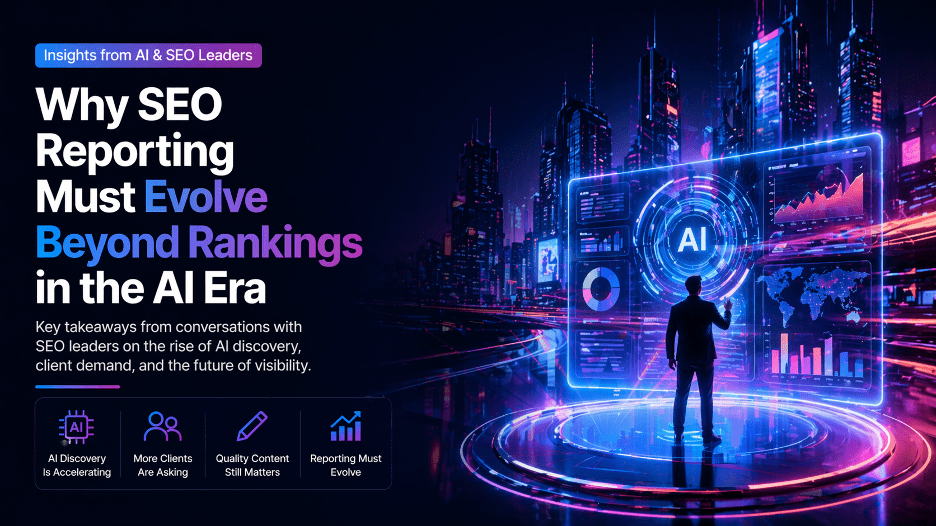
Today, consumers and businesses are turning to platforms like ChatGPT, Gemini, Claude, Perplexity, and AI-powered search experiences to ask questions, compare providers, shortlist solutions, and gather recommendations.
That creates a new reporting challenge.
A company may rank well on Google for important terms, yet remain largely invisible when users ask AI systems for recommendations. Traditional SEO reports often fail to capture this gap.
Rankings Still Matter: But They Are No Longer the Full Picture
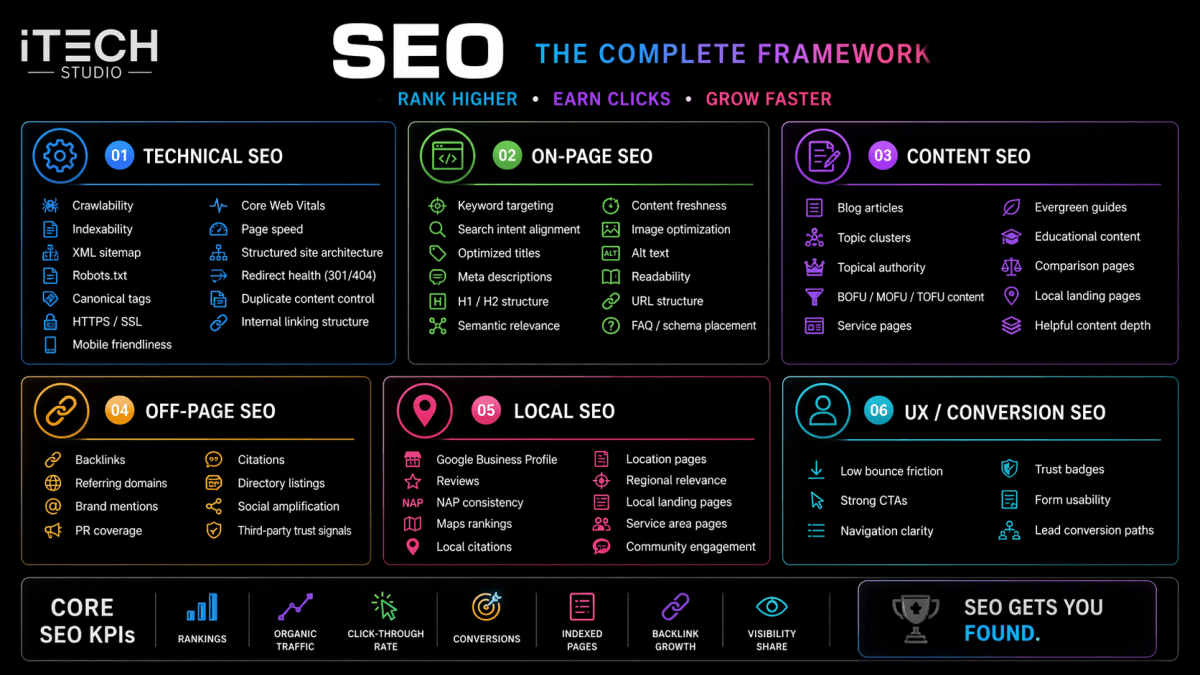
Some businesses assume that strong Google rankings automatically translate into strong AI visibility. That is not always true. Here is what “traditional SEO” addresses:
However, AI systems evaluate information differently. What is increasingly referred to as “GEO” or AISEO today may draw from:
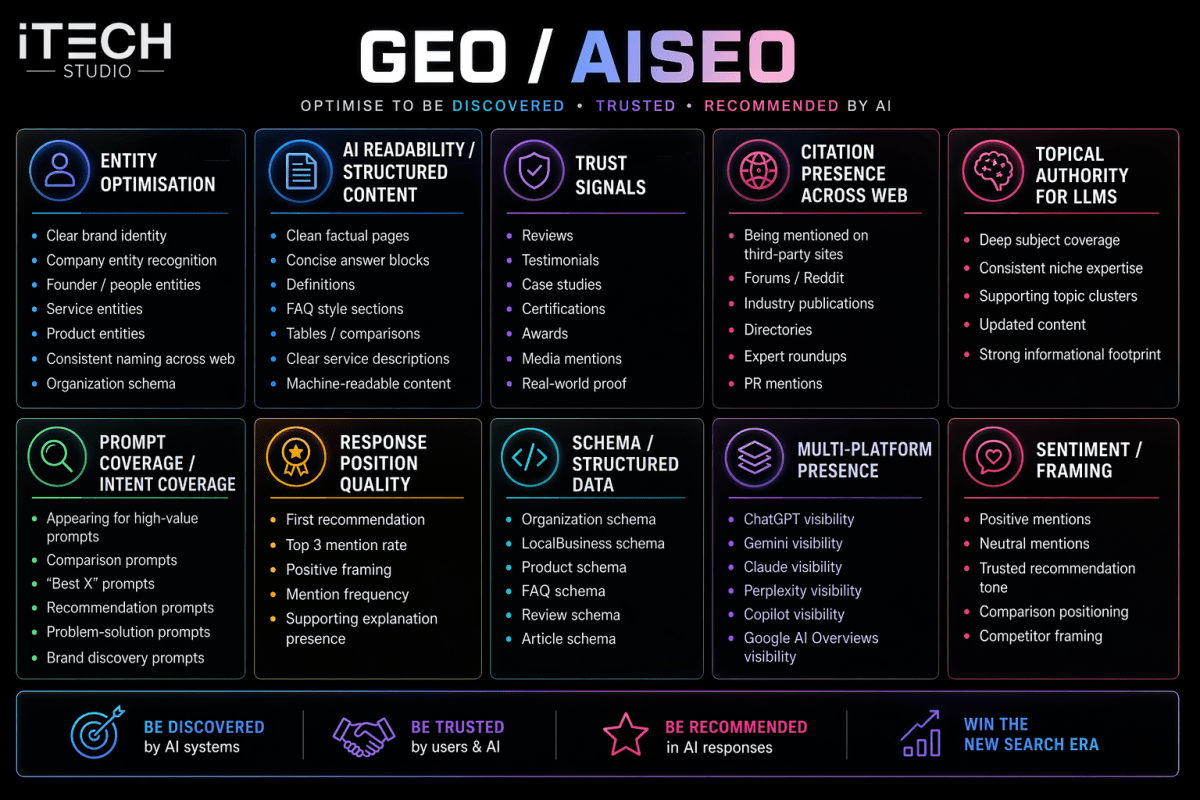
While some of these are just advanced SEO components, multi-platform presence and sentiment are newer forms of understanding that have only become commercially relevant in recent years.
This means a brand can hold Page 1 rankings yet still be absent from AI-generated recommendations.
That absence matters because AI platforms often compress decision-making. Instead of showing ten options, they may mention three. Sometimes only one.
Why Reporting Must Now Expand
If discovery channels are expanding, reporting frameworks must expand too.
Businesses should increasingly ask questions such as:
- Is our brand mentioned when users ask relevant AI prompts?
- Are competitors recommended ahead of us?
- How are we framed in AI responses?
- Which sources are influencing recommendations?
- Are our core services understood accurately by AI systems?
- What technical or content gaps may be limiting visibility?
These do not replace ranking reports. They complement them.
The New Layer: From Rankings to Recommendations
Traditional SEO measures:
- where you rank
Modern AI-era visibility also measures:
- whether you are mentioned
- whether you are trusted
- whether you are recommended
- whether you are framed positively
- whether you appear in buying journeys before the click even happens
That is a different layer of discoverability.
A Global Shift Is Emerging
What stood out most from my conversations at GITEX was not just excitement around AI.
It was the level of awareness across SEO professionals from different markets that this shift is already underway.
From Singapore to the Philippines and beyond, agencies understand that AI-assisted discovery is becoming commercially relevant. Clients are beginning to ask about it. Search behaviour is changing. Reporting expectations will eventually follow.
Yet there is still a gap in the market.
Many understand that AI visibility matters, but few have clearly distinguished between:
- SEO = visibility within traditional search engines
- GEO / AI visibility = visibility within generative and recommendation systems
That distinction remains underexplored.
The Larger Picture
SEO reporting is not losing relevance. It is expanding.
Rankings still matter, but they now sit alongside recommendation presence, brand authority, trust signals, and AI discoverability.
In the years ahead, the most effective agencies will likely be those that can measure both search visibility and recommendation visibility together.
The firms that understand this early will be better positioned to guide clients through the next stage of search.
Because in the AI era, being searchable is only part of the equation.
Being recommended may become just as important.