


At Tech Week Singapore 2025, one of the most insightful sessions came from Andy Brown, OpenAI’s Head of Go-to-Market for APAC.
(Based in Singapore, Andy works closely with businesses, governments, and start-ups across the region to deploy frontier AI technologies that boost creativity, productivity, and innovation.)
His talk gave audiences a rare look into how OpenAI is rapidly evolving–from early developer tools like Codex to new-generation systems designed to bring AI agents into real-world production.
Compressing the AI Roadmap: From Codex to AgentKit
Andy opened his session by describing how OpenAI’s development timeline has significantly accelerated in recent years. What once took several years between breakthroughs is now happening in compressed cycles.
From the text-to-code capabilities of Codex, to the cinematic generation power of Sora 2, and now AgentKit, OpenAI is clearly shifting from research to real-world enablement.
For the Developers!
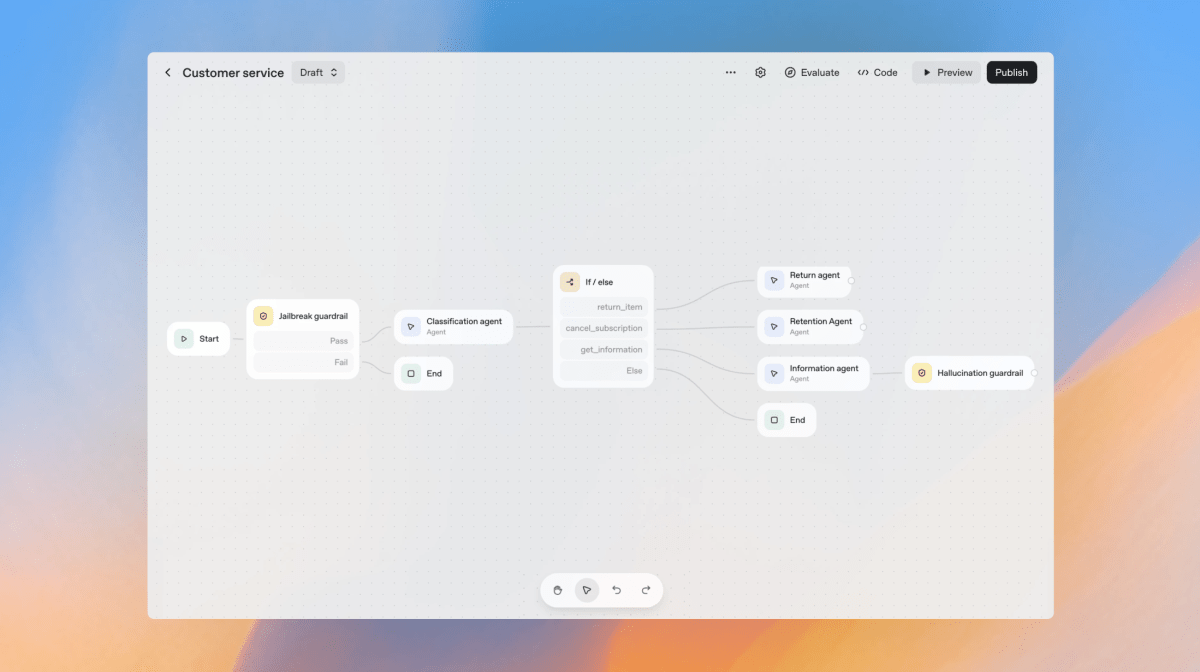
It introduces a drag-and-drop Agent Builder, a Connector Registry, and ChatKit, which together allow developers to create, customize, and deploy agents seamlessly.
Instead of coding every function from scratch, users can now integrate tools, APIs, and conversational logic visually.
This drastically shortens the development cycle–from months of prototyping to hours of building and testing.
What makes this even more significant is OpenAI’s intent to co-build with developers–a shift toward collaborative ecosystem growth. Rather than simply releasing APIs, OpenAI is encouraging developers to extend and enhance agent functionalities, fostering an open, iterative model of innovation.
Want to try out the new Agentkit?
Note: Agent Builder is currently only available in beta, and Connector Registry is beginning its beta rollout to some API, ChatGPT Enterprise and Edu customers with a Global Admin Console(opens in a new window) (where Global Owners can manage domains, SSO, multiple API orgs).
The Global Admin console is a pre-requisite to enabling Connector Registry. All of these tools are included with standard API model pricing.
Safety, Transparency, and Fighting Scams with AI
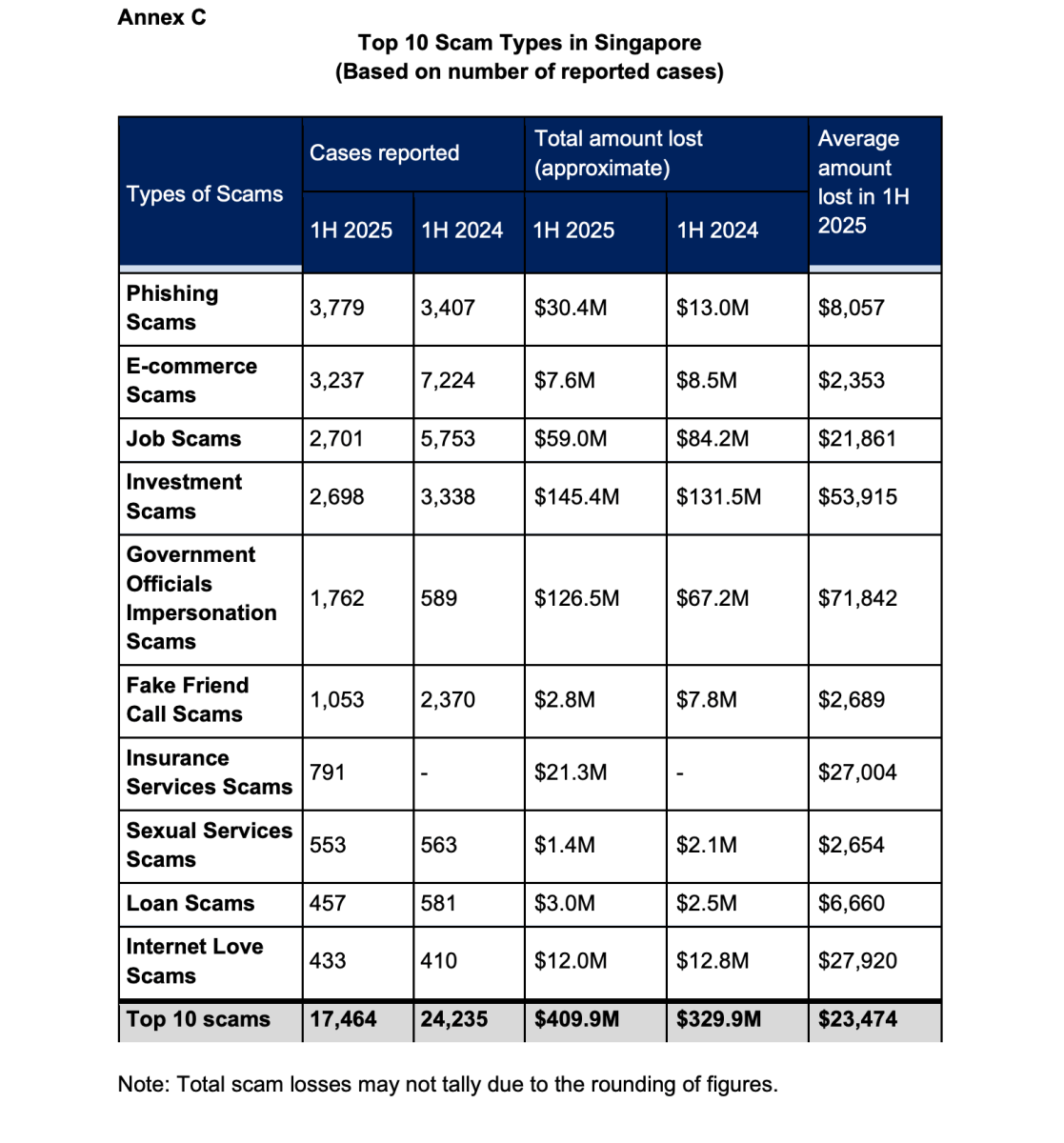
Source: Singapore Police Force
Beyond model-level safety, OpenAI is also exploring real-world applications of AI for social good, such as combating online scams.
Just in the first six months of this year, Singaporeans lost around $405 million to scams (see the image above for the most common types). It’s a sobering reminder that scam prevention remains an urgent issue–one that AI could increasingly help address through smarter detection and early warnings.
Through multimodal detection, AI agents could one day help identify scam patterns–like fake dating profiles or phishing messages–and warn users before they fall victim. These features are still in early testing, but they signal OpenAI’s long-term vision: AI that doesn’t just assist but actively protects its users.
Looking Ahead
The key takeaway from Andy Brown’s session is that AI development is no longer linear–it’s exponential.
With tools like AgentKit and the rise of multimodal intelligence, OpenAI is not only pushing the boundaries of what AI can do but also making it more accessible, safer, and integrated into everyday workflows.
As AI moves closer to human-level understanding, the next few years could redefine how businesses innovate, how users interact with technology, and how society ensures that AI serves humanity responsibly.