

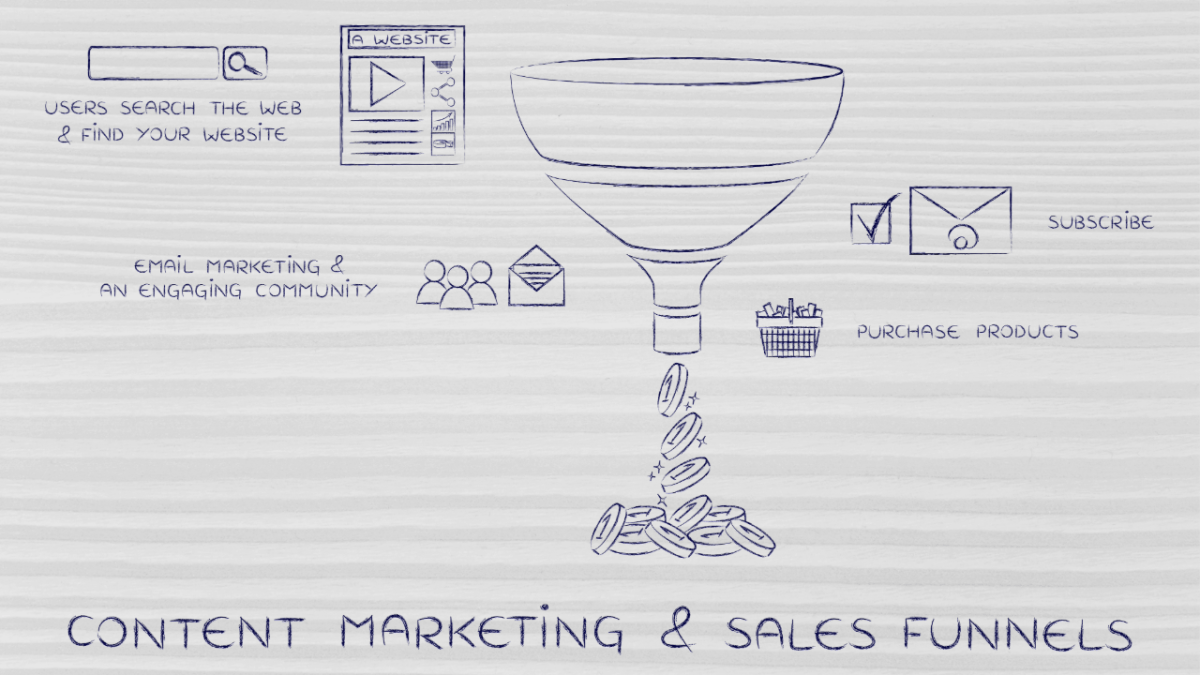
In many organizations today, digital visibility is often grouped under a single label such as “marketing” or “SEO.”
However, the modern digital landscape has evolved into a far more complex ecosystem that includes search engines, AI discovery systems, social communities, paid advertising platforms, and brand reputation signals across the internet.
Because of this expansion, it is increasingly common for companies to expect a single individual often labeled as an “SEO specialist” or “marketing associate” to handle every aspect of digital growth.
In practice, this expectation rarely reflects how the work is actually structured or how much expertise is required across different areas.
Understanding the distinction between marketing activities, SEO infrastructure, and their intersection can help organizations allocate responsibilities more realistically and build more effective teams.
Marketing Functions: Demand Creation and Brand Visibility
Marketing focuses on building awareness, communicating brand value, and attracting potential customers.
These activities typically involve creative work, messaging, and campaign management rather than technical search optimization.
Examples of marketing responsibilities include:
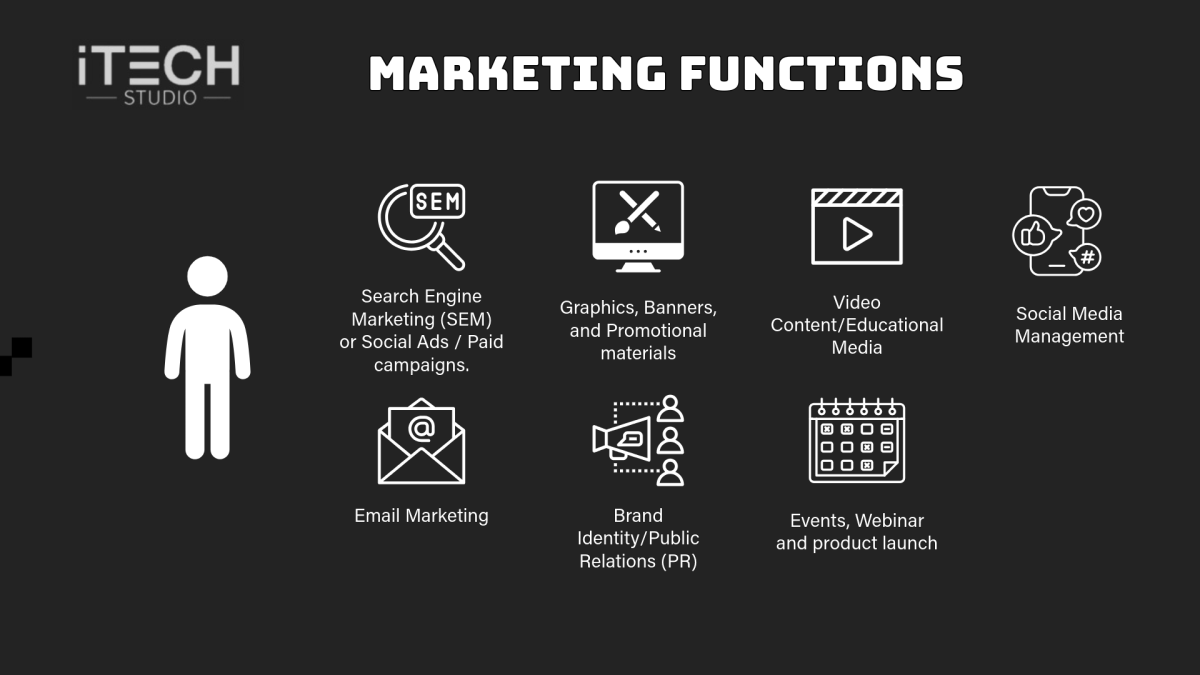
These activities require creative strategy, audience understanding, and communication skills, often supported by designers, content creators, and marketing managers.
SEO Responsibilities: Search Infrastructure and Technical Optimization
SEO, on the other hand, includes a large set of technical and analytical responsibilities that focus specifically on how search engines interpret and rank websites.
Unlike marketing activities, SEO often involves understanding web infrastructure, search engine behaviour, and technical site performance.
Typical SEO responsibilities include:
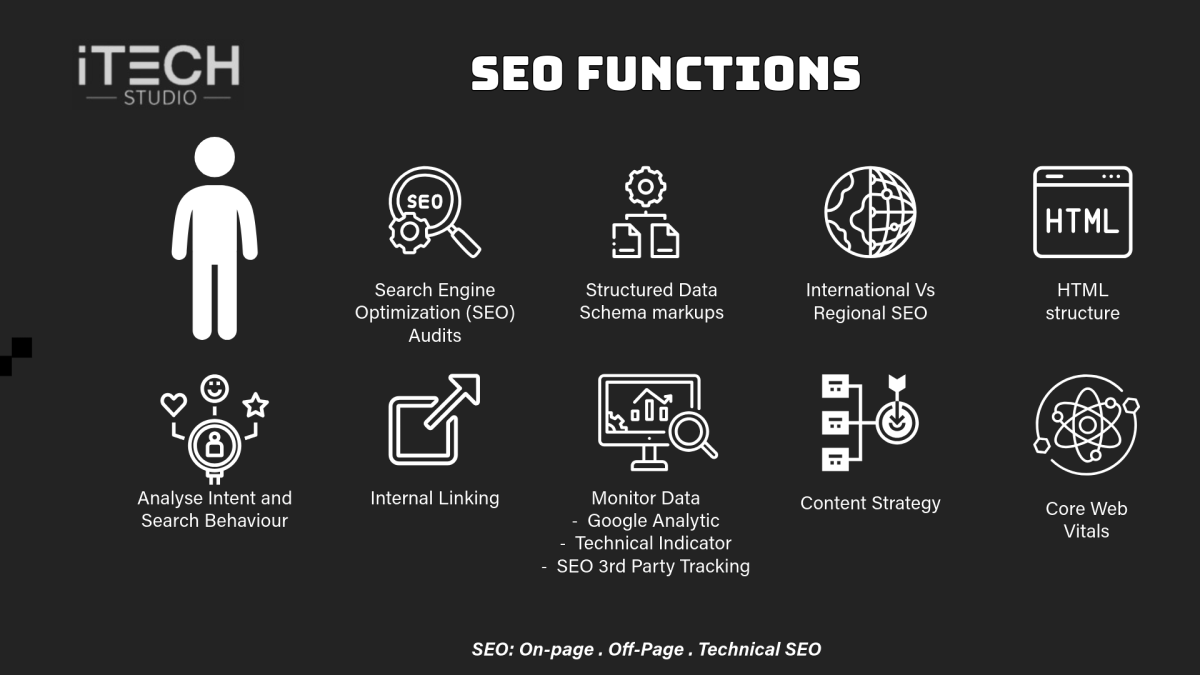
These tasks require technical knowledge of websites, search engine algorithms, and data analysis, which are very different from traditional marketing functions.
The Growing Intersection Between Marketing and SEO
In modern digital strategy, many activities sit in the intersection between SEO and marketing.
These hybrid activities influence both brand visibility and search performance, making them particularly important for long-term digital growth.
Examples include:
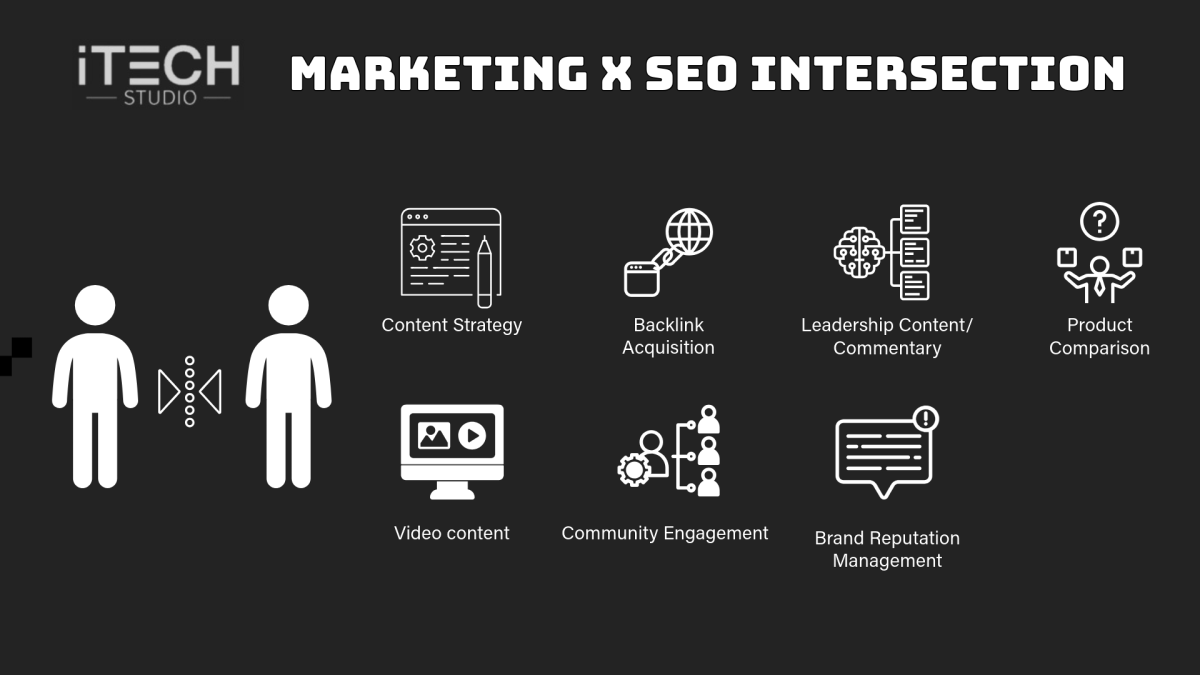
Because these activities influence both search engines and audience perception, they often require collaboration between SEO specialists, marketers, writers, and designers.
The Reality: Digital Growth Is a Multi-Disciplinary Effort
The challenge many organizations face is assuming that one individual can fully manage all of these areas simultaneously.
In reality, each of these domains requires significant time, expertise, and ongoing refinement.
Search visibility alone is rarely static. Even in traditional SEO, specialists must constantly balance three core areas:
Core SEO Area | Focus |
On-page optimization | Content structure, keyword alignment, page quality |
Off-page signals | backlinks, brand mentions, authority signals |
Technical SEO | site performance, crawlability, indexing |
Each of these areas consist of a vast range of intricacies and evolves continuously as search engines update their ranking systems and competitors refine their own strategies.
The Additional Complexity of AI Discovery
In recent years, the emergence of AI-driven discovery systems has introduced another layer of complexity.
Platforms such as AI assistants increasingly generate answers using information gathered across the web rather than simply listing search results.
This has introduced new considerations such as:
- semantic content structures
- entity recognition
- knowledge graph associations
- embeddings and topic clusters
- off-site credibility signals
These developments do not replace SEO or marketing but expand the scope of digital visibility work.
Why Role Clarity Matters

Role clarity is a complicated topic. Giving the right task to the right person requires that you understand the capacity of an individual and his/her worth.
When a single person is expected to manage all of the above tasks of marketing and seo, it entails doing:
1. Technical website optimization
2. Content strategy and production
3. Brand marketing campaigns
4. Graphic design and creative assets
5. Community engagement and outreach
6. AI discovery optimization
Each of these segments can be further subdivided into nuances and specialisations, and it is easy to see how the workload quickly becomes unrealistic.
More importantly, the quality of execution in each area may suffer precisely because each discipline requires deep focus and specialized expertise.
Many successful organizations therefore structure their teams with complementary roles such as:
- SEO specialists
- Content strategists
- Marketing Managers
- Designers and creative professionals
- Developers and technical analysts
A More Balanced Approach
For companies planning their digital strategy, it may be more productive to view SEO and marketing not as interchangeable roles but as complementary disciplines.
<Marketing creates awareness and demand.>
<SEO ensures that the brand can be discovered when people search for solutions.>
- The key thing to understand is that one role cannot do everything.
- When these roles collaborate effectively, they create a system where marketing builds interest and SEO captures the search intent
- Together, these efforts form a sustainable approach to digital growth.